
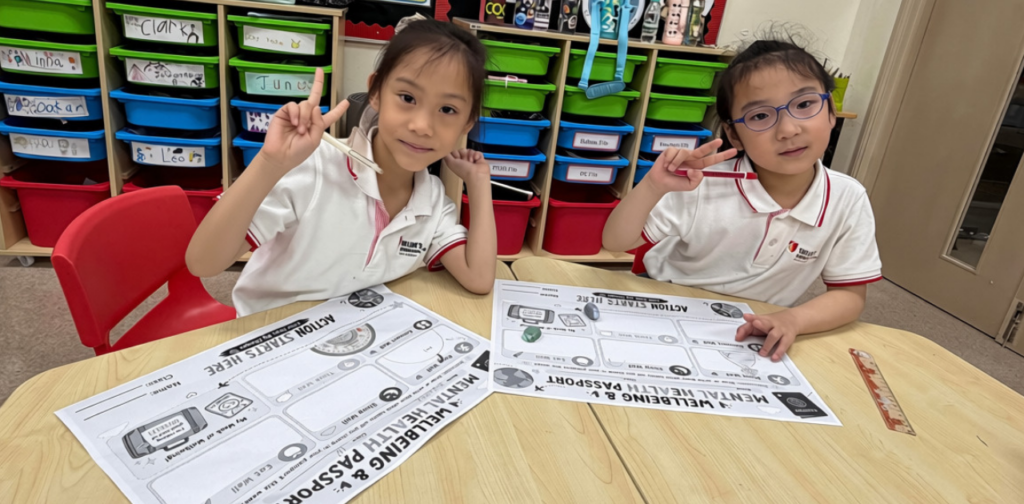
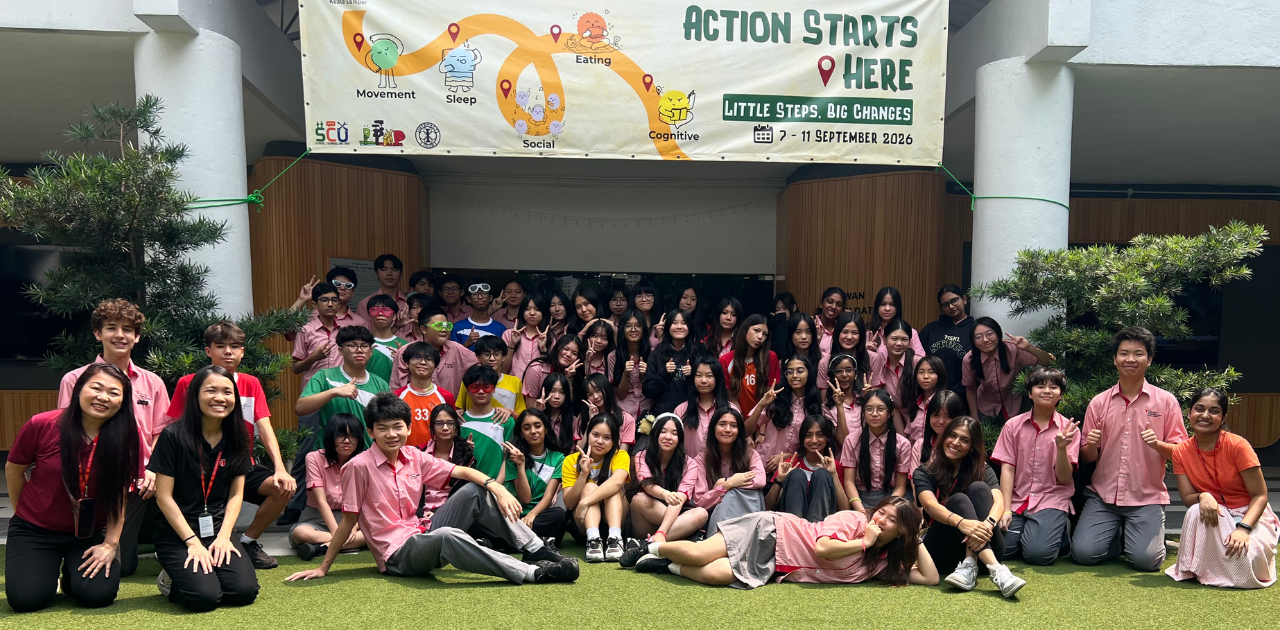
Action Starts Here: Little Steps, Big Changes was the theme of Mental Health Awareness Week 2026 at Taylor’s International School Kuala Lumpur (TISKL) — and it captured an important part of the school’s approach to student wellbeing.
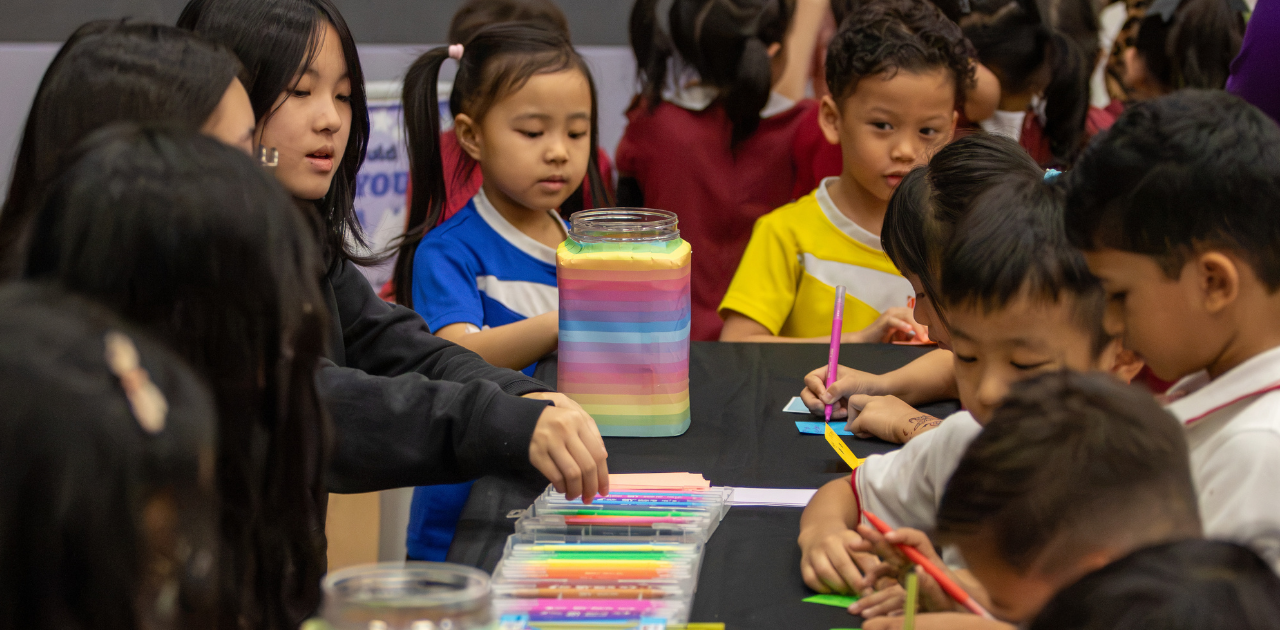
Across the school, students explored what looking after their wellbeing means in everyday life. Primary students worked through Mental Health & Wellbeing Passports, Secondary students explored the connection between physical activity, healthy habits and mental wellbeing, while Secondary Peer Mentors led younger students through activities designed to build connection, confidence and empathy.
The school community also raised RM6,400 for Befrienders Kuala Lumpur and Lifeline Malaysia, extending those conversations about care and empathy beyond the school.
But the bigger message was simple: emotional resilience isn’t developed through one lesson or one awareness week. It is built through the small experiences, relationships and habits that shape a child’s everyday life.
Understanding What’s Behind Behaviour
One of the important ideas shared by TISKL’s Counselling Unit is that behaviour can be a form of communication.
“Behaviour is communication. When children can’t find the words to express what they feel or need, their behaviour may speak for them.” – May Toh, Head of Counselling.
Anger, withdrawal or resistance may sometimes be the behaviour we see, but underneath could be frustration, disappointment, stress or a need for reassurance.
Helping children recognise and communicate these emotions is an important part of developing resilience.
Four emotional needs — connection, safety, autonomy and boundaries — remain important as children grow, although how they express those needs changes.
A younger child may openly seek reassurance. A teenager may want more independence and privacy. Both still need to feel understood, supported and guided.
Learning to Manage Big Emotions
Another part of TISKL’s approach is helping children develop the skills to manage their emotions rather than expecting them simply to control them.
During a TISKL parent wellbeing workshop, families were introduced to the 3-R approach: Regulate, Relate and Reason.
First, help a child regulate and settle emotionally. Then relate by acknowledging what they are feeling. Once they are calmer, reason together about expectations, choices and possible solutions.
The principle is an important one: empathy and boundaries are not opposites.
Children can feel understood while still learning responsibility, respect and appropriate behaviour.
The Small Things Matter
Mental Health Awareness Week also reinforced that wellbeing isn’t only about how children respond when things go wrong.
Sleep, movement, nutrition, positive relationships and time for reflection all contribute to how children feel, concentrate and engage with the world around them.
So do seemingly small social interactions.
A Secondary student taking the time to guide a younger child through an activity. Inviting someone to join a conversation. Listening when a friend needs support.
These everyday moments help students develop not only their own wellbeing, but empathy, leadership and an awareness of others.
That is why student wellbeing at TISKL is closely connected to character development.
Raising Them Ready
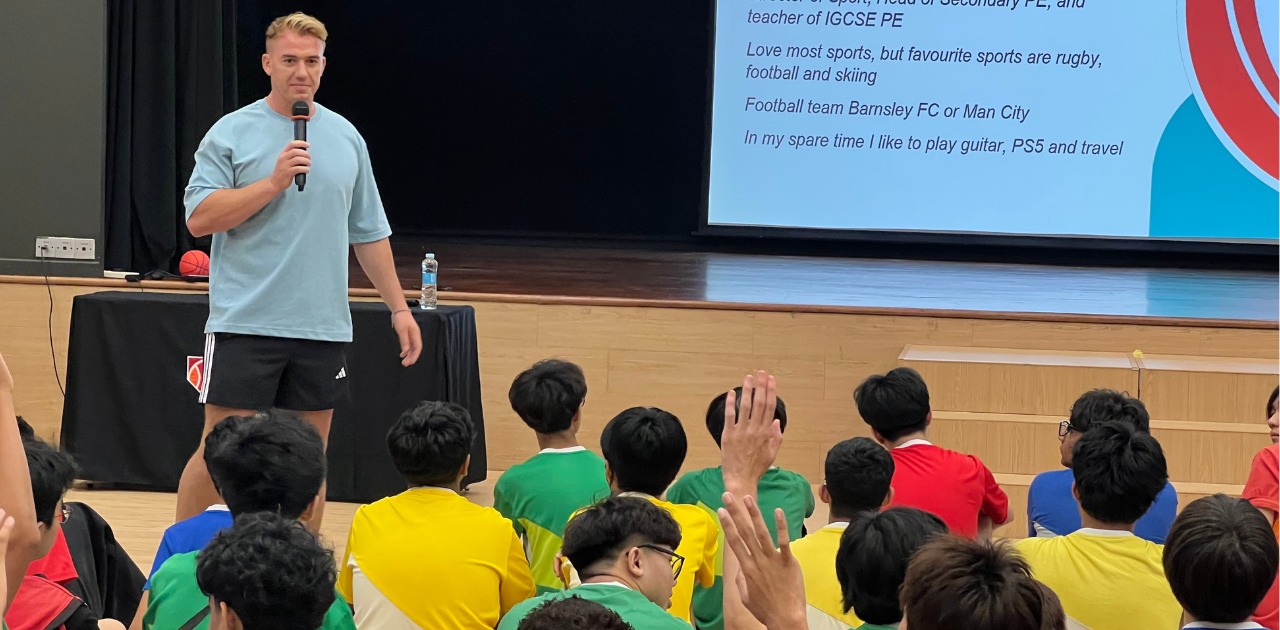
At TISKL, Raise Them Ready means preparing students for more than academic success.
It means helping young people understand themselves, manage challenges, build healthy relationships and develop the confidence and resilience to navigate an increasingly complex world.
Mental Health Awareness Week may provide a moment to put the spotlight on wellbeing, but the skills behind it are developed every day — through relationships, experiences, choices and the culture students experience at school.
Discover how Taylor’s International School Kuala Lumpur brings together academic learning, student wellbeing and character development to prepare students for the world ahead.
Book a school tour to experience TISKL.
